贊石鼓書院
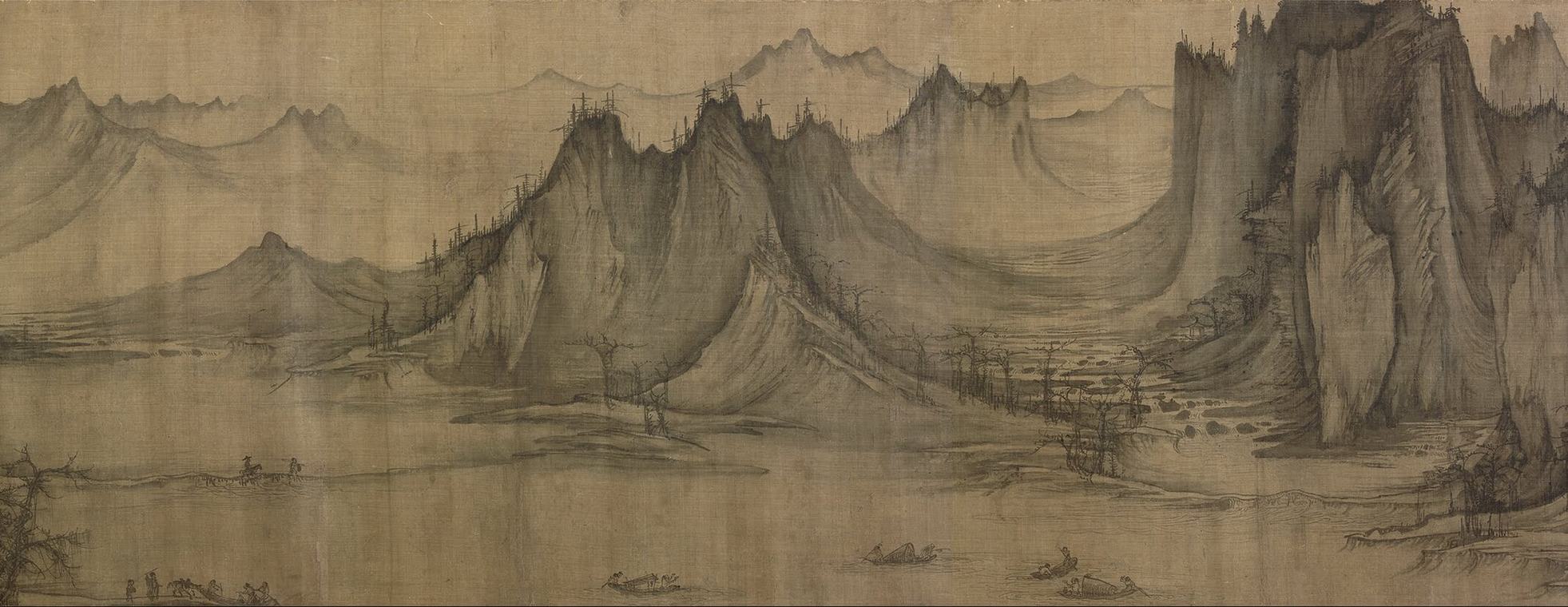
石鼓書院三面環水,四面憑虛,位置獨特,風光秀麗,自古有“石鼓江山錦繡華”的美譽。書院始建於唐,地處湘江、蒸水、耒水交匯處,是湖湘文化發源地。千百年來,物華天寶、人文薈萃,湧現出一大批影響中國的優秀人物
Shigu Academy is encircled by water on three sides and open on every side, its singular setting adorned with resplendent scenery, long celebrated as “Shigu’s rivers and mountains, a tapestry of splendor.” Founded in the Tang dynasty at the confluence of the Xiang, Zheng, and Lei rivers, it stands as the cradle of Huxiang culture. For centuries, its natural bounty and cultural riches have given rise to a multitude of eminent figures who have shaped the course of China.
Three rivers meet at Shigu, and an academy was founded where they converge.
Han Yu passed through after his banishment and could only marvel: the water here, he wrote, is so clear one dares not spit into it.
For twelve centuries since, the water has kept flowing and the scholars have kept coming — no one quite agrees which came first, the confluence or the reputation. This is the rare poem in the collection that visits no ruin: the academy still stands.
- 石鼓書院湖南衡陽的書院,是詩人登臨懷想文教之處。
- 湖湘湖南地區的別稱。
- 半中華詩中的誇張讚語,不是統計數字。
起句重用「錦繡」,把山川之美轉入文章之美,短短四句由景到人,自然連成一氣。「想是」保留讚歎中的親切與揣想,末句的誇張則傳達登臨時的欣喜,不必當作人數或成就的計算。
Repeating the image of brocade, the opening turns from the beauty of the landscape to that of writing. Four brief lines move easily from place to people. The tentative turn of “perhaps” keeps the praise conversational, while the final exaggeration conveys the visitor’s delight. It is a gesture of admiration, not a numerical claim about talent or achievement.