
詠大明湖晏公廟
詩意圖 · 見寫意 — see the painting in Xieyi
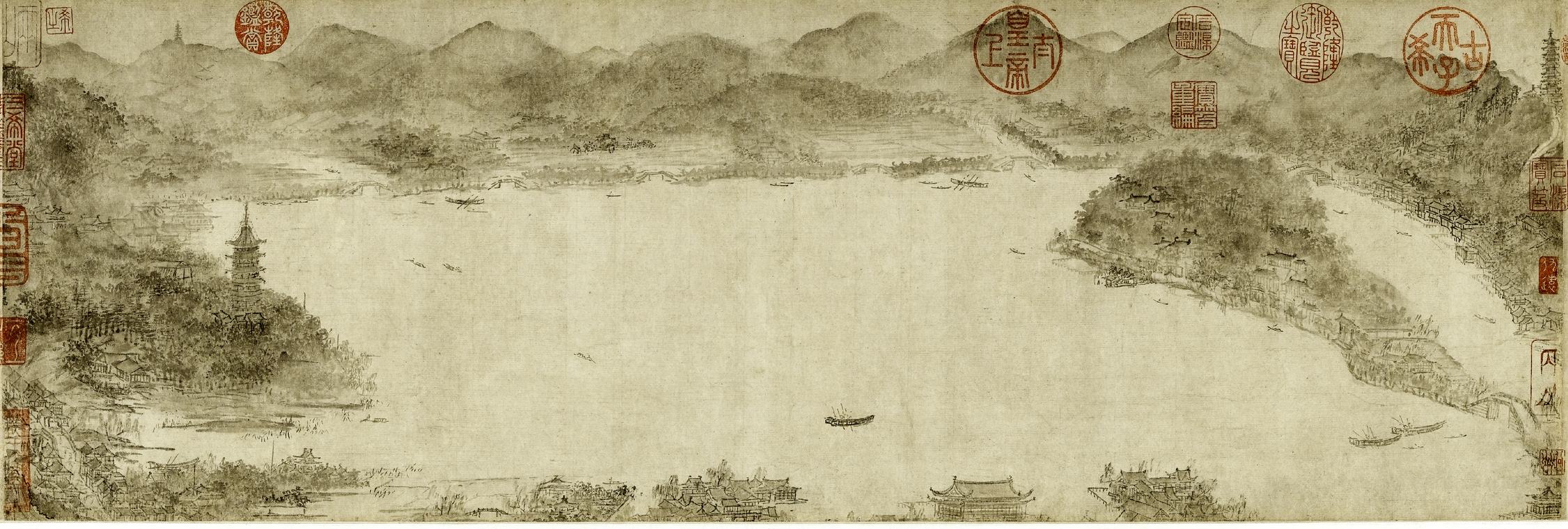
齊國宰相晏嬰,身材矮小却智勇善辯。他冒死弔唁昏庸的莊公,用「二桃」智除「三士」,使楚不辱使命,諫王戒奢惜民,以政治遠見和外交才能聞名於諸侯。戊戌春清晨獨步大明湖畔,見廟門深掩,階生綠苔
Yan Ying, chancellor of the State of Qi, was small in stature yet great in wit and courage. He mourned the fatuous Duke Zhuang at the peril of his own life, outwitted the three arrogant warriors with the stratagem of two peaches, upheld his mission with honor as envoy to Chu, and counseled his king to shun extravagance and cherish the people—renowned among the princes for his political foresight and diplomatic gift. On a spring dawn of the year Wuxu, I walked alone beside Daming Lake, and found the temple gates fast shut, green moss upon the steps.
- 晏嬰春秋時齊國大夫,以善辯、敢諫著稱。
- 大明湖晏公廟詩人憑弔晏嬰的場所,位於濟南大明湖畔。
- 二桃指「二桃殺三士」的故事。
- 使楚指晏嬰出使楚國、以辭令應對羞辱的故事。
緊閉的廟門與石階綠苔,讓湖畔清晨多了一層歷史的靜意。詩不鋪陳晏嬰的生平,而以幾件往事勾出其氣節,再將人物放回水光與古木之間。眼前的寂寥與昔日的擔當相互映照,懷人之意由景物中自然生出。
Closed temple gates and moss on the steps give the lakeside morning a sense of historical distance. Rather than recount Yan Ying’s life in full, the poem recalls a few moments that suggest his character, then returns him to the light, water and trees of the present scene. The contrast between quiet surroundings and remembered public courage carries its feeling of homage.