鑑賞 · 第 3 首 / 共 17
飲鵲山
Drinking at Magpie Mountain
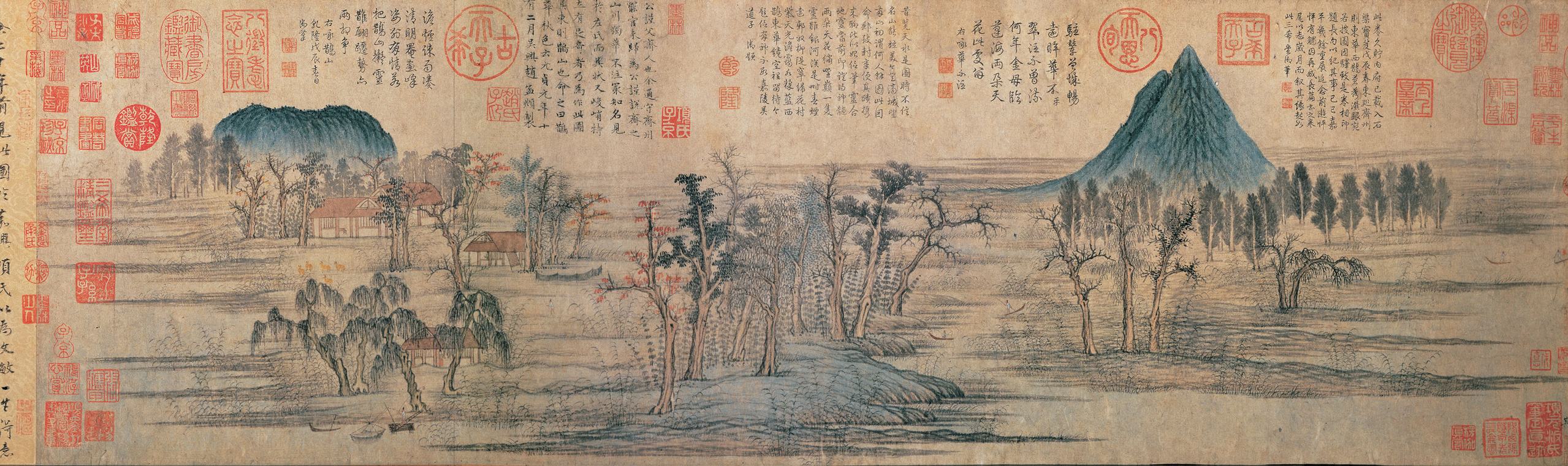
原詩The Poem
太息停箸論時悲,借酒吞聲雙淚垂。豈慮己失私怨討?但伐民欲至公回!諸君逐鹿觀已久,歧路亡羊覺可追。日暮飲別長拱手,西窗半沒滿天暉。
作者英譯The Poet’s Own Translation
I sigh, lay down my chopsticks; we mourn the age.I drink down what I cannot say; tears spill from both eyes.Do I grieve a private loss, asking vengeance for myself?No—let the people be prey no longer; let public justice return.You have watched the contest for the realm long enough.Once we wake, the sheep lost among branching roads can still be found.At sunset we finish the wine and part with a long, clasped-hands bow;half the sun sinks beyond the western window, and the whole sky shines.
註釋Annotation
- 鵲山濟南黃河北岸的山,也是此詩飲別的地點。
- 停箸、吞聲放下筷子、抑住哭聲,寫難以言說的悲慨。
- 逐鹿、歧路亡羊分別借指爭逐權勢與在歧路中迷失方向。
- 覺可追與陶淵明「知來者之可追」相應,含悔悟與來日可為之意。
鑑賞Appreciation
停箸、吞聲與垂淚,把席間的談論收進幾個克制的動作。詩中的悲意並不止於個人得失,又在「覺可追」處留下一點轉圜。末聯不再議論,只寫長揖與落日;未盡之言融入暮色,友情也因此有了分量。
Setting down the chopsticks, swallowing words and shedding tears turn a conversation into a sequence of restrained gestures. The sorrow reaches beyond personal loss, yet the possibility of choosing another course remains. In the closing couplet, argument gives way to a prolonged farewell and the setting sun. What cannot be said stays within the scene, giving the friendship its quiet weight.