鑑賞 · 第 8 首 / 共 17
登廬山
Ascending Mount Lu
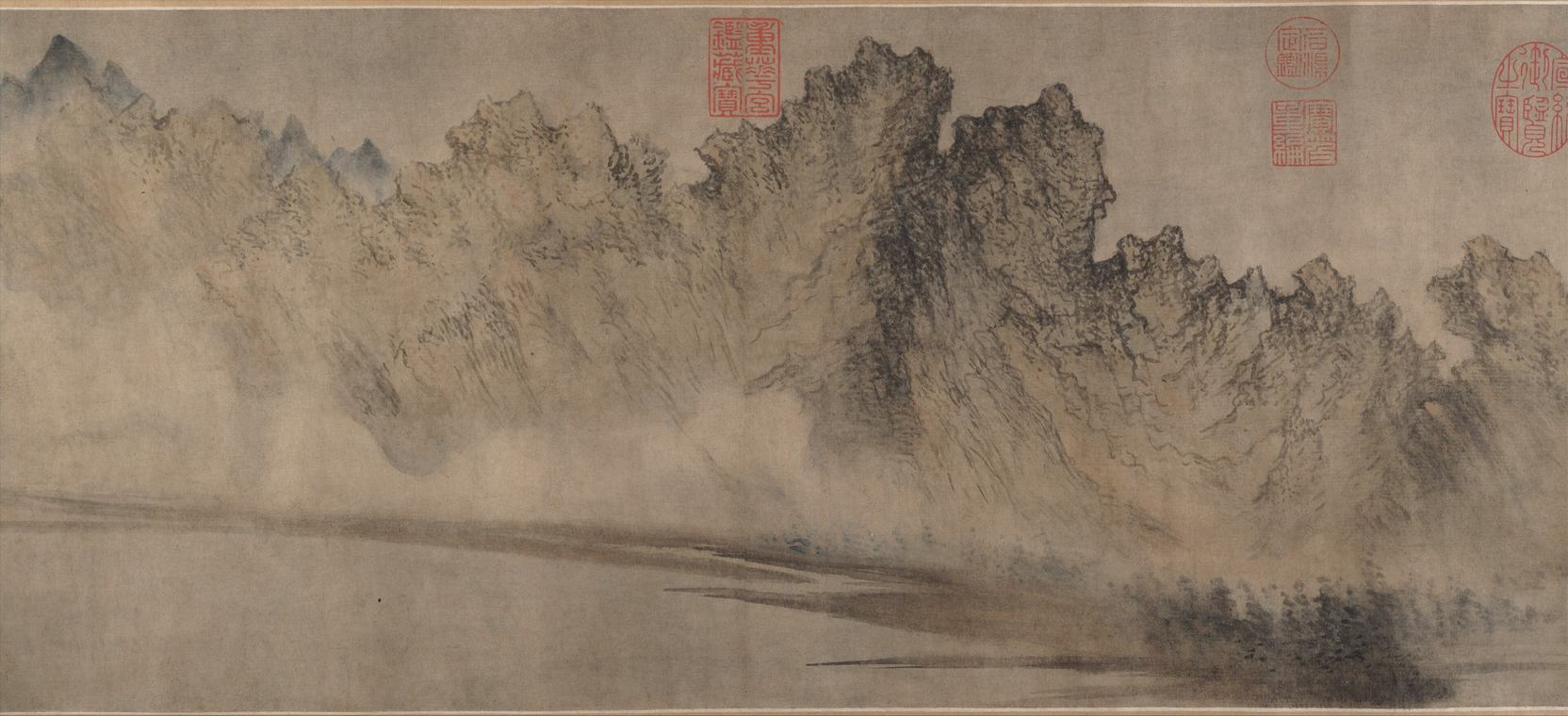
小序The Poet’s Preface
禹疏九江,周匡飛仙,司馬遷南登廬山,思之不免神往
Yu channeled the Nine Rivers; Zhou Kuang ascended to immortality; Sima Qian climbed Mount Lu from the south—thinking on these, my spirit cannot but rise in longing.
原詩The Poem
結廬高遠向層巔,雲繞東南自古傳。九水禹疏誰著史,一湖日照我登山。朝攀撥霧仰峰險,暮宿和衣滴露寒。修道方知非本願,人間浪跡勝飛仙。
作者英譯The Poet’s Own Translation
I climb toward a high retreat among layered peaks;clouds have wreathed the southeast since ancient days.Who set down the story of Yu channeling the Nine Rivers?Sun strikes the whole lake as I ascend.At dawn I part the mist and look up to sheer summits;at dusk I sleep in my clothes, chilled by falling dew.Only in seeking the Way do I learn it was never my wish:to roam the human world is better than flying among immortals.
註釋Annotation
- 結廬、周匡與廬山的結廬修道傳說相聯。
- 九水禹疏承接小序所述大禹治水與司馬遷登廬山的記載。
- 一湖此處指鄱陽湖。
- 和衣不脫外衣而睡;與露寒一起寫山宿的切身感受。
鑑賞Appreciation
傳說與史書引人登山,真正改變心意的卻是撥霧攀行與和衣受寒。「誰著史」的追問,落到「我登山」的親歷,遠古也因而與當下相接。結尾坦然辭謝飛仙的想像,選擇繼續在人間行走;這份轉念來自經驗,而非預設的答案。
Legend and history draw the speaker upward, but the climb through mist and the cold night bring the decisive change. A question about who recorded the past meets the immediate fact of a person climbing now. At the end, the imagined life of an immortal gives way to wandering among human beings. The choice feels discovered through experience rather than settled beforehand.