詠滕王閣
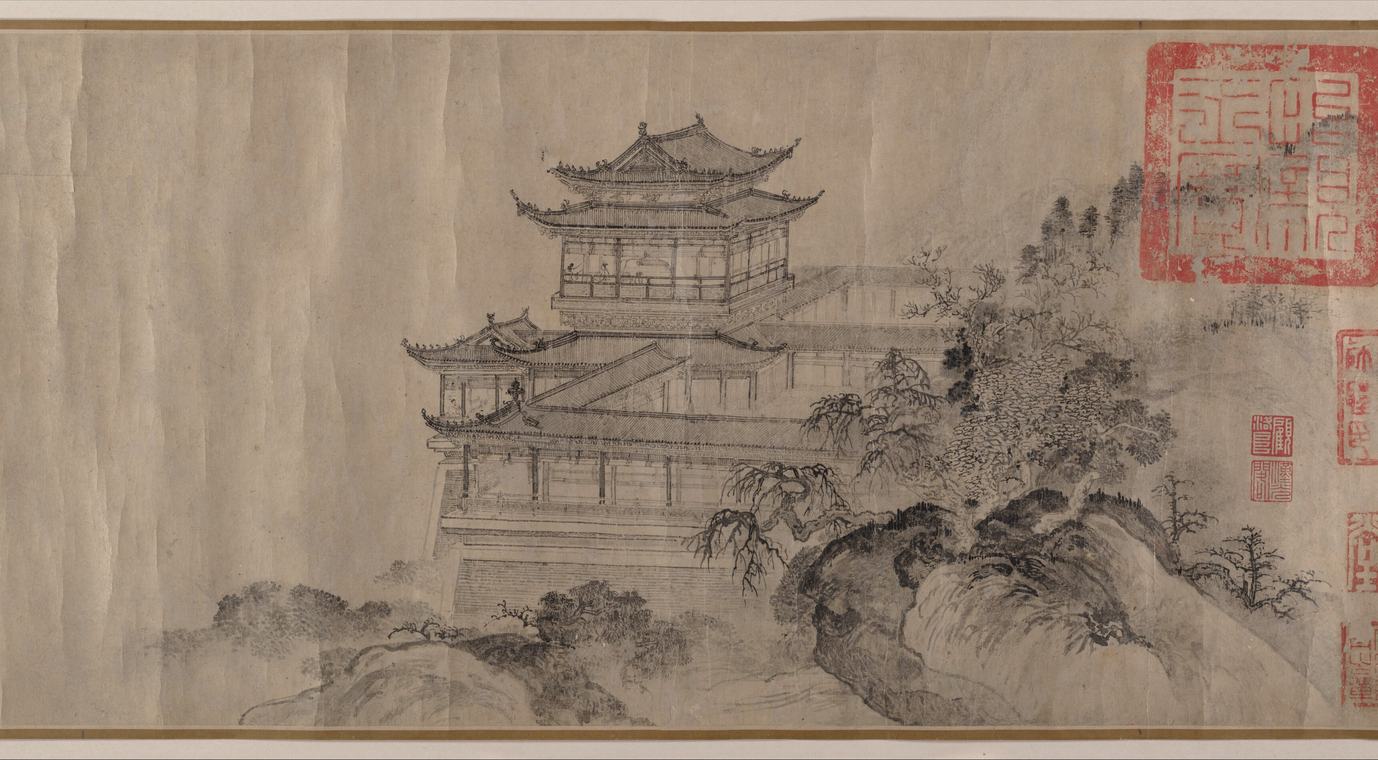
滕王閣因唐太宗之弟――滕王李元嬰始建得名,又因王勃詩句"落霞與孤鶩齊飛,秋水共長天一色"而流傳後世。滕王閣屢毀屢建,承載頗多歷史。丁酉夜過,聞閣中有舞樂之聲
The Pavilion of Prince Teng takes its name from Li Yuanying, Prince of Teng and younger brother of Emperor Taizong of the Tang, who first built it; it owes its enduring fame to Wang Bo's lines, "A lone duck flies with the fading sunset clouds; autumn waters and the boundless sky share one hue." Destroyed and rebuilt time and again, the pavilion carries much history. Passing by on a night in the year Dingyou, I heard music and dancing within.
- 滕王唐代李元嬰,滕王閣因其封號得名。
- 子安王勃的字;王勃為《滕王閣序》的作者。
- 紈絝本指精美衣褲,後常借指富貴人家的子弟。
- 此江山亦彼江山將眼前景物與歷史中的同一片山河疊合。
詩沿著「誰因誰而留名」展開:滕王、樓閣與王勃的文章,彼此牽連而分量不同。中間兩聯將權位所得之名與文字所成之名並置。夜裡的歌舞使古今短暫重疊,末句不作判決,將問題留給依舊在場的江山。
The poem asks how a name survives: through a prince, a building, or the writing of a passing young man. Its middle couplets distinguish the visibility conferred by power from the more uncertain endurance of literary achievement. Present-day music in the pavilion briefly overlays an earlier scene of pleasure. The closing landscape holds the question without resolving it.